
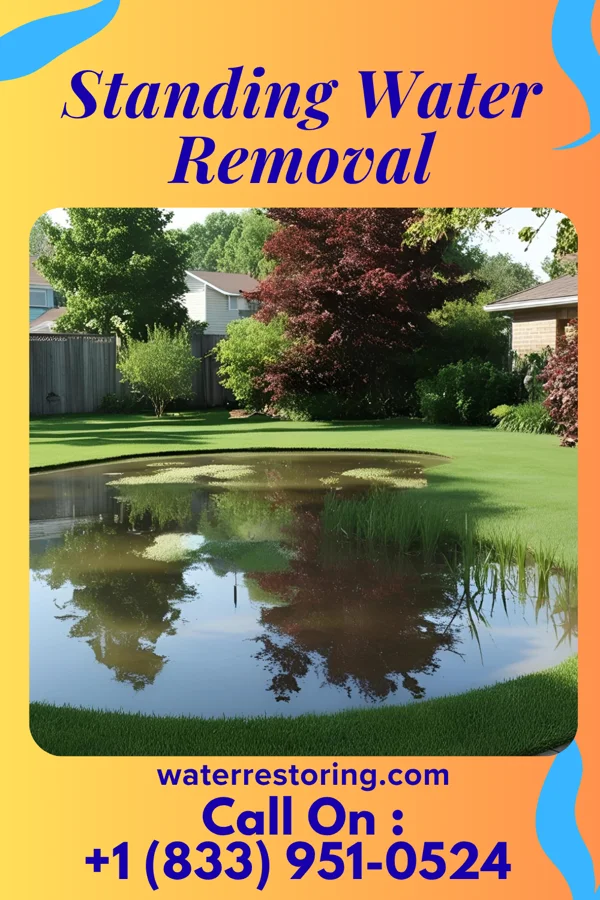
Standing Water Across Gateway Neighborhoods
Every neighborhood in Gateway has a different water damage risk profile. The one that shows up on most restoration calls is In Gateway, Alaska, the primary water damage cause is often due to sudden flooding from nearby rivers or melting snow, especially during spring thaw or heavy rainfall events. Additionally, leaking pipes in older homes, particularly in rural areas, contribute significantly to water damage incidents.. A close second is Secondary causes include sewer backups, groundwater seepage into basements, and water intrusion from broken appliances. These issues are more common in homes with poor drainage systems or those built on low-lying land near South Lakes or North Lakes..
Gateway's cold and wet climate increases the risk of water damage, especially during the long winter months when frozen ground can lead to thawing and subsequent flooding. The region's proximity to lakes and rivers also heightens the chance of water-related emergencies.
Water damage in Gateway follows a few local patterns. In Gateway, Alaska, the primary water damage cause is often due to sudden flooding from nearby rivers or melting snow, especially during spring thaw or heavy rainfall events. Additionally, leaking pipes in older homes, particularly in rural areas, contribute significantly to water damage incidents. accounts for the bulk of our calls. Gateway's cold and wet climate increases the risk of water damage, especially during the long winter months when frozen ground can lead to thawing and subsequent flooding. The region's proximity to lakes and rivers also heightens the chance of water-related emergencies. Mold can develop rapidly in Gateway's damp climate, especially in homes with poor insulation or ventilation. Prompt action is crucial to prevent health risks and structural damage, particularly in rural areas where professional help may be delayed.
For public guidance on the health effects of mold after prolonged water exposure, see the EPA mold and health page.